Our Approach
Meeting together isn’t the same as thinking together.
The pace of change in the labor market has outrun the systems designed to prepare people for it. Employers are frustrated by talent gaps that shouldn’t exist. Educators are designing programs without enough signal from industry. Conveners are coordinating meetings that produce conversation but not alignment. Everyone can feel the ceiling. Very few have a path through it. And conveners risk looking like they bypassed their peers, or didn't know what their peers knew.
| Seat | Before | After |
|---|---|---|
| Conveners | You move ahead of the room and risk being the person who bypassed your peers. | You move with the room, with the full picture and your peers' backing. |
| Educators and employers | Programs and openings get built without seeing each other. | You see what the other side knows before you commit money or seats. |
| Funders | Separate grants at the same perceived gap, with no shared definition of success. | Grantees agree on the results that matter most, before the money's spent. |
Beyond Meetings
Your region has already convened. You've held conferences with speakers, organized task forces with facilitators, run surveys, and created advisory councils. Those took real work. Keep them.
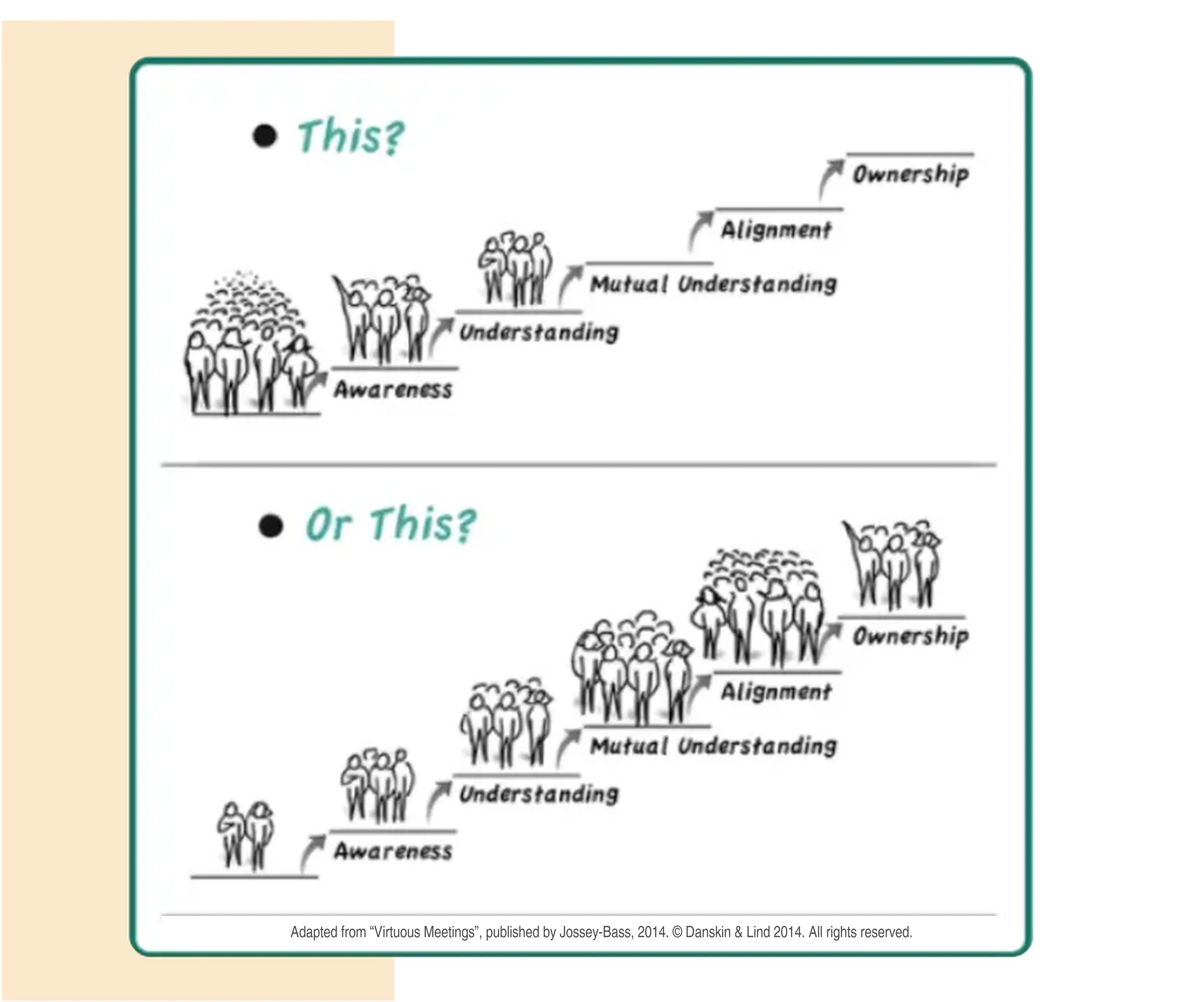
People can participate in these same experiences and leave with completely different conclusions.
Employers hear one thing. Educators hear another.
Workforce leaders hear another. Economic developers hear another.
Then everyone goes back to their own plan and their own budget cycle. Programs and openings get built without seeing each other, and nobody finds out until the money's spent.
What you stop doing, and what you keep.

You keep your programs, partnerships, and data. You stop deciding alone and in private, and you stop settling for polite agreement. If nothing old gets let go, it isn't collaboration; it's the appearance of collaboration.
Most convenings help each group explain its view. CapacityWorks™ helps everyone see what they couldn't see on their own, including what nobody's been willing to say out loud.
The sessions are virtual working sessions, designed with our Design Partner, Todd Erickson of Collaboration Arts. Everyone's input appears on screen together, so the room sees the same picture at the same time.
The goal: catch the mismatch between what's being taught and what's being built, and make the call everyone stands behind, before it costs your region.
| Most Regions | Regional Alignment |
|---|---|
| Employers and educators convene but plan separately | Employers and educators build on a shared view of future workforce demand |
| Meetings produce conversation | Structured engagements produce commitment |
| Intelligence remains locked in silos | The full regional picture becomes visible |
| Decisions are made too late | Regions get ahead of demand |
| Speaking up feels risky, so people stay polite | The process guides understanding; it doesn't expose or blame |
| The mismatch is found after the money's spent | It's caught before anyone commits money or seats. |
Decide Together. Own It Together.
Joining a regional effort can feel like a risk: to your autonomy, to how your story gets told, or to gaps you'd rather not admit in public. This process guides understanding; it doesn't expose or blame. It's not about defending programs or numbers in front of everyone. You bring what you know, and the structure does the rest. Nobody is exposed alone, and no one carries the decision alone. Participants also have opportunities to provide input anonymously.
Used across hundreds of engagements. New to regional workforce decisions.
The facilitation methodology and engagement technology behind CapacityWorks™ has been used across hundreds of engagements in corporations and large NGOs, organizations that couldn't afford to engage without results.
What's new is using it with the people who decide how a region trains and hires.
What Happens Inside Every Engagement
How we structure the room:
- Set the conditions
- See who's in the room
- Protect the space
- Reflect what's said
- Build shared understanding
- Surface priorities
- Land on action
'Protect the space' means you bring what you know; you're not there to defend programs or numbers in front of everyone.
What are you comparing this to?
| If you… | What usually happens | With WSF |
|---|---|---|
| Do nothing | Each organization keeps deciding on its own, and nobody finds out until the money's spent. | The mismatch is caught before the next grant or program is committed. |
| Hire a consultant | You get a report written by someone outside the region. | The region builds its own direction: “not a consultant’s report.” |
| Hold another convening | Polite agreement that evaporates once the meeting ends. | Structured, virtual sessions that end in a mandate with sector-level commitments. |